
A flat page reads as generated because nothing on it moves or has any depth. These five tools are how designers add the missing layer, real motion and texture, so a site looks made rather than churned out. Each card below says what the tool does, who it is for, and its one honest catch.
To make an AI-built website look less generic, add real motion and texture with tools like Shaders, ShaderGradient or GSAP for live on-page effects, or Jitter and Swishy for animation files you embed.
Put motion into the live page
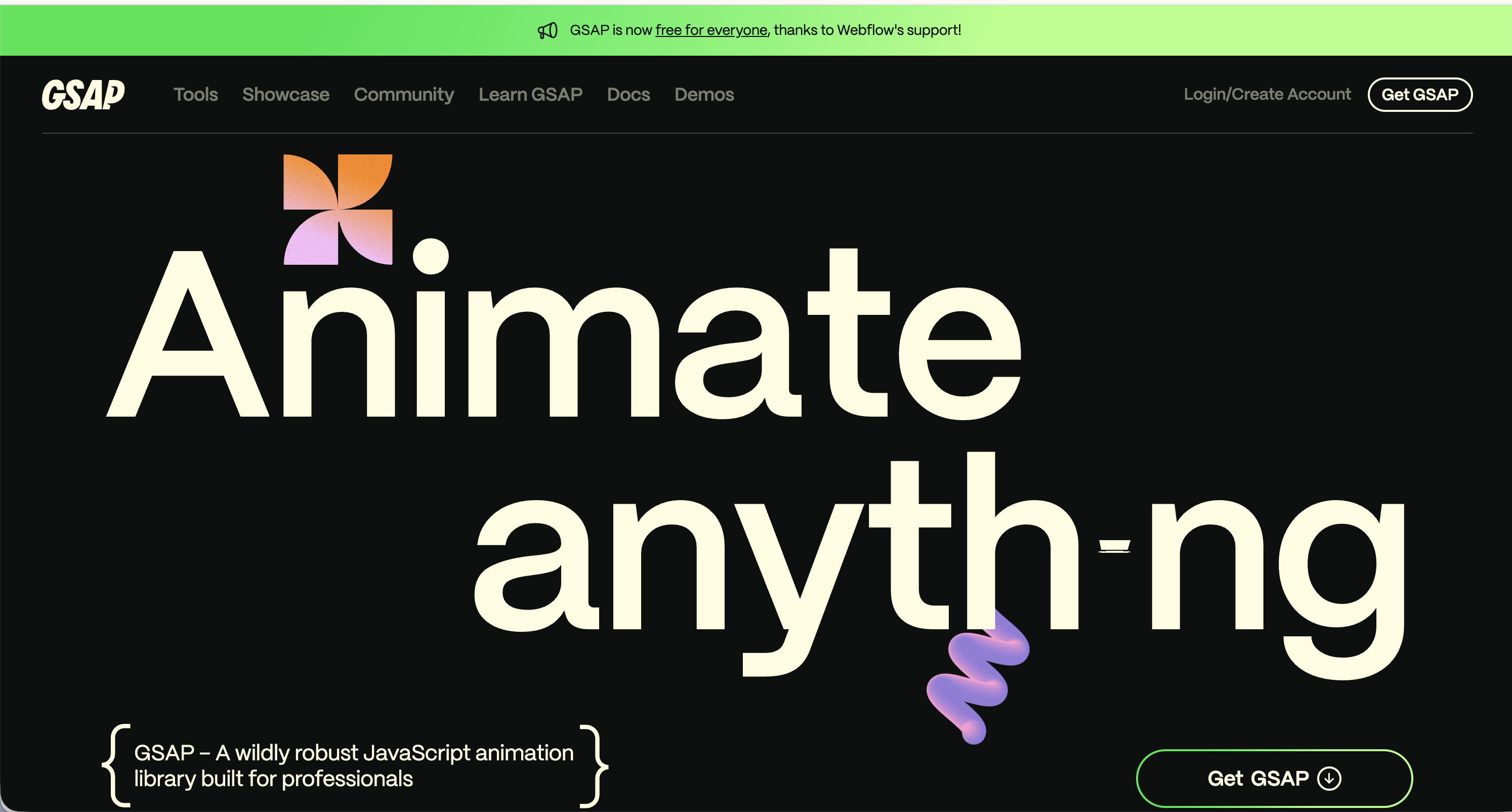
The animation library the professionals use, and free for everyone now that Webflow backs it. It can animate almost anything on a page: scroll effects, text that reveals, SVG, the moments that make a site feel alive. The honest catch is that it is a JavaScript library, so it needs real code or a builder like Webflow that bakes it in. This is the deep end, and part of why the easier four below exist.
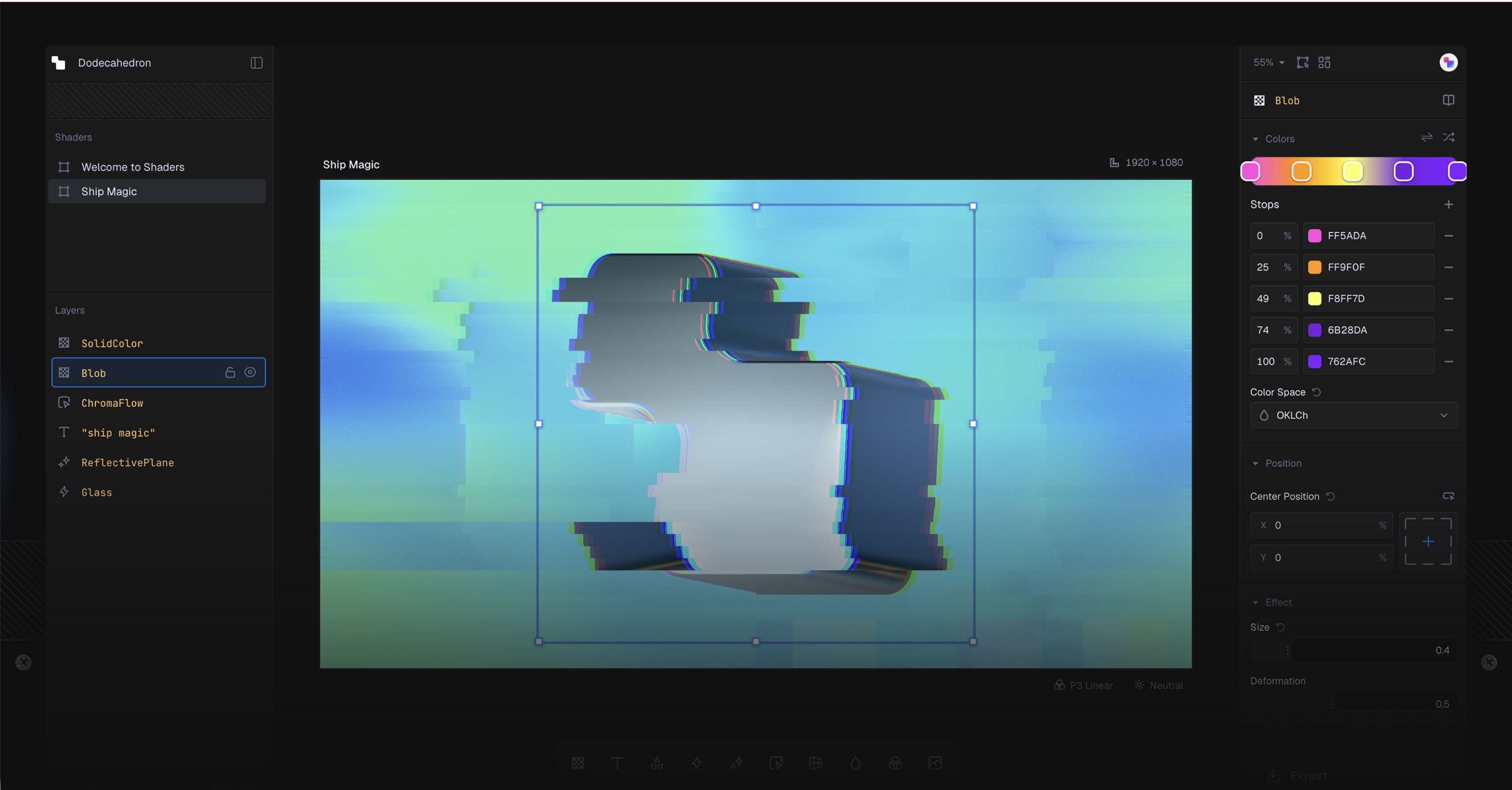
A visual editor for web shaders, the moving, glassy, textured effects that make a page look expensive. You build the effect in a Figma-like editor, layering colour and distortion, then it hands you a ready component for React, Vue, Svelte or plain JavaScript to drop in. Free to start, then 59 or 199 US dollars a year for the full library and a commercial licence. The best genuine build tool on this list.
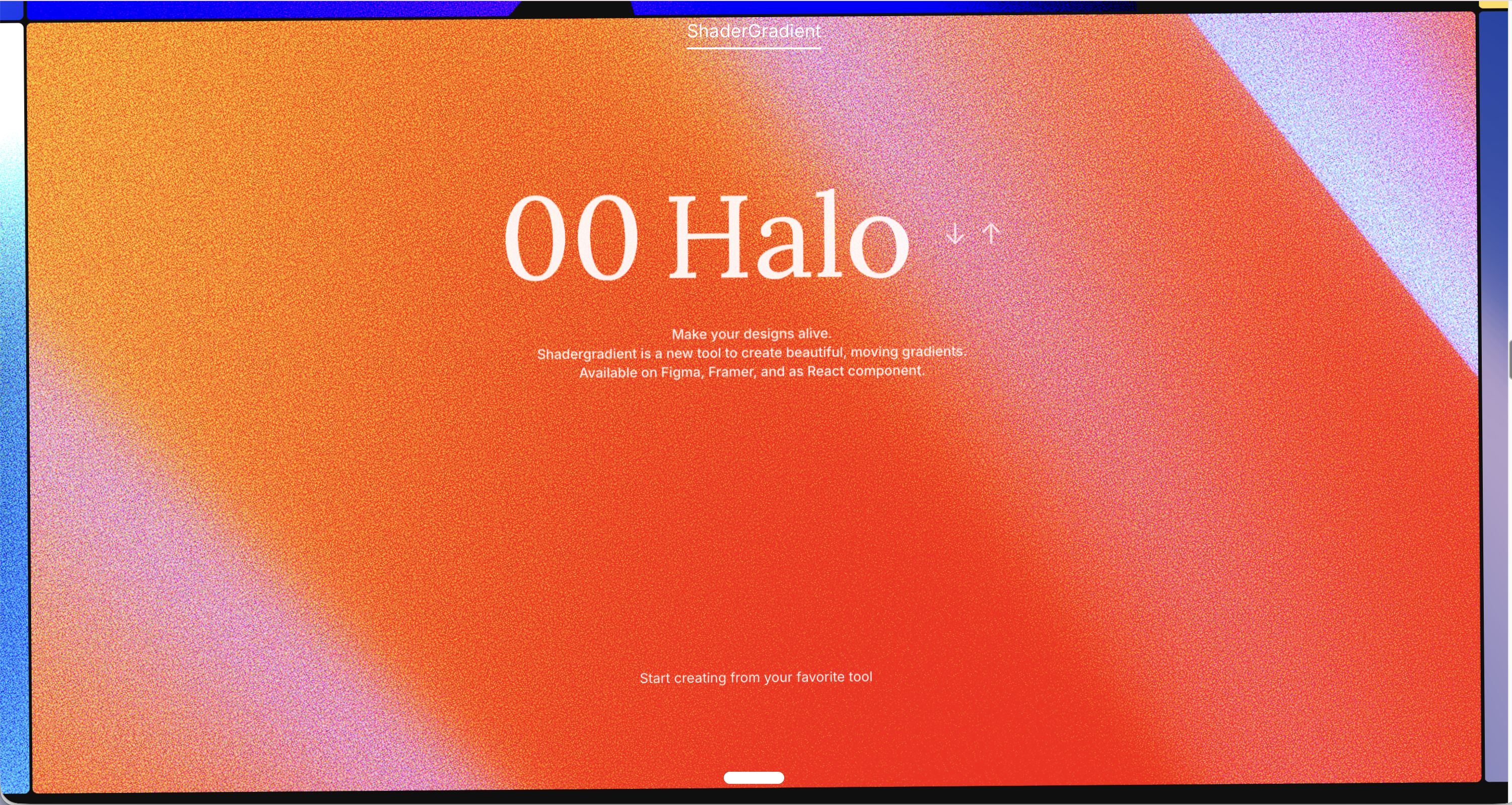
Animated 3D gradients that slowly drift and shift, the kind of living background a flat AI page never has. It comes as a Figma plugin, a Framer integration and a React component, so you can add one with no code at all through Figma or Framer, or wire the component in if you build in code. The easiest real craft on this list to reach.
Make an animation and drop it in
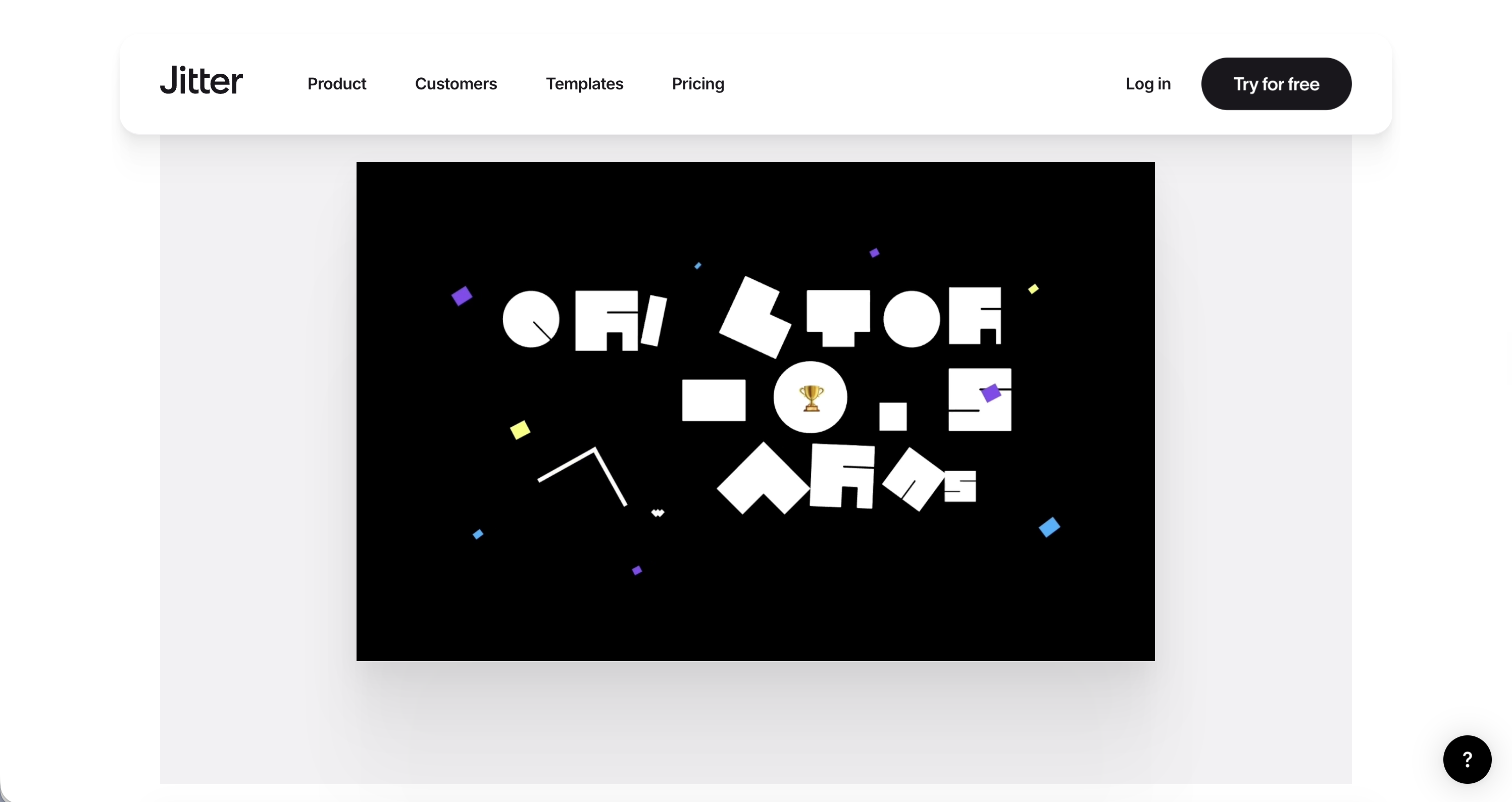
A motion-design tool that runs in the browser, so you can make animations without learning After Effects: describe what you want, tune it, and export. The thing to know is what it makes, an animated video file you drop into a page or a post, not motion baked into the live site. Good for a moving hero clip or a social video.
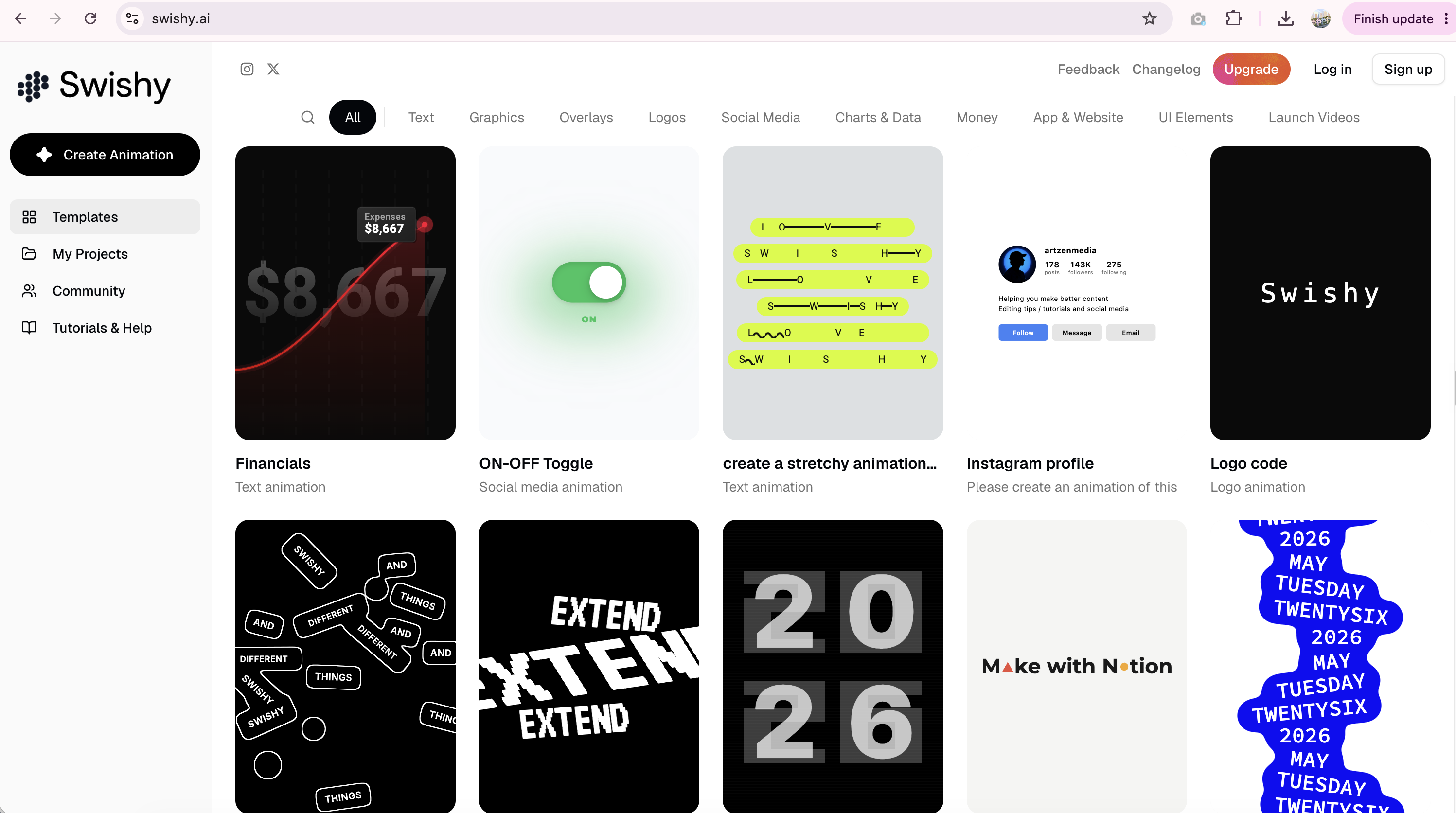
An AI motion designer that animates text, logos and graphics and exports them as MP4, MOV or GIF. Like Jitter, it makes animation files rather than live-page behaviour, so reach for it when you want a moving logo or an animated headline to embed, not an effect built into the page itself.
Hand these to your AI, do not learn them all
You do not need to master any of these yourself. If you build with an AI website tool, point it at one as a reference: "give the hero a slow animated gradient background like ShaderGradient", or take a shader component from Shaders and paste it in for the AI to place. The tool gives you the specific look, the AI does the wiring. That is the fastest way to borrow real craft without becoming a motion designer first.
Where the line is
- The tool is not the taste. A shader dropped in without thought is just a fancier kind of slop. What beats the generated look is one effect, chosen for a reason and tuned until it feels right. Restraint is the craft.
- Know which kind you are adding. GSAP needs real code, while Shaders and ShaderGradient give you a no-code or low-code route to the same live-page motion. Jitter and Swishy make animation files you embed. Pick by what you actually need, a live effect or a clip.
- Check the price before you commit. GSAP is free and Shaders lists its tiers, but a couple of these do not put a price on the homepage. Look before you build a project around one.
- Motion has a cost. A live shader or a drifting gradient is real graphics work, so it can slow an older phone and it keeps moving for people who have set their device to reduce motion. Add one, then check it on a phone, and ask your AI to pause it for anyone who prefers less motion.
Add one effect to one page today
Do not redesign anything. Take a site you already have, pick the one section that matters most, usually the hero, and add a single effect: one animated gradient, one shader, one moment of motion. Ship that, look at it live, and you will feel the difference between a page that was generated and one that was made.
Need the layout right before you add the motion? Start with where designers actually get their ideas.